How to Get Fake Likes on IG
📚 Table of Contents
Why fake likes are so popular
Ever hit “post” on a photo you thought was fire and then spent the next hour checking if you broke through 30 likes? Yeah, me too. Actually, almost everyone who posts anything on Instagram has that moment where they wonder: “What if I just bought likes, would that help?” No shade, it makes total sense. Instagram is one big popularity contest, especially when everyone’s flexing their highlight reel and chasing that explore page glory.
What’s wild is, nobody’s admitting it out loud, but there’s a reason why if you Google “get Instagram likes fast” the first page is full of links to sites promising an easy dopamine hit. It kinda feels like cheating, but the truth is, for some people it straight up works (or at least looks like it does). It’s all about appearances — if your post has more likes, people assume you’re more legit, and the algorithm pays attention too. FOMO is real, man.
It’s not just personal ego at play either. Brands, influencers, musicians, random e-com gadgets — everyone’s trying to send that same “I’m already famous, jump on my hype train” energy. Sometimes, getting fake likes is just… a shortcut when you don’t have time for The Grind.
What are fake Instagram likes?
Let’s keep it 100: a fake like is just any double-tap from someone who isn’t actually a real fan of your content. Sometimes that’s a bot, sometimes it’s a dude in a click-farm somewhere, and sometimes it’s a swap from a stranger who just wants you to return the favor. Either way, what you get is the appearance of engagement, not real engagement.
There’s a whole industry built around this. You’ve probably seen sites like Like4Like, Famety, Stormlikes, Superviral.io, and Poprey in your search for that perfect free like hack. Most of them say you’ll get “instant likes, from real humans,” or “no password needed, try for free.” The catch? The likes are basically an illusion, but it’s a very good illusion — especially if you’re only looking for that quick flex.
Some of these services make you like random strangers back (like a social Ponzi scheme), others just turn on a bot army. Either way, if you’ve ever watched your post get 50 hearts in a minute and thought “wait, who are these people?”, you’ve probably tapped into the strange world of likes-for-hire.
Top ways people get fake likes
If you’re curious how everyone’s gaming the numbers, here’s what’s actually happening behind the scenes. (And no, it isn’t always as easy as clicking a button.)
- Like-for-like networks: Sites or apps where you have to like other people’s stuff in exchange for tokens, then spend those to buy likes for your own posts. It’s basically the mutual follow of engagement tricks.
- Outright buying bot likes: Pay $3-10 to a site and boom, you get 500 likes from bots who never look at your content. Pure numbers game.
- Instagram “engagement groups”: Secret DM groups where small creators agree to like each other’s stuff so everyone looks more popular. It’s basically an underground like cartel (yeah, those totally exist and they’re surprisingly organized).
- Boosting via apps: Some sketchy apps offer likes if you log in, watch ads, or do microtasks. Sometimes you get coins for free, but mostly you end up watching the same cringey ad on loop. Your patience gets a workout, at least.
- Giveaways and “follow-loops”: Tag three friends and like this post to enter! Kinda counts as fake engagement, at least if everyone’s just in it for the prize.
Breaking down “free Instagram like” sites
Let’s talk about the sites that literally dominate Google for “get free Instagram likes.” What’s the deal with those? Let’s dissect it:
| Site | How It Works | What You Really Get | Weird Downside |
|---|---|---|---|
| Like4Like.com | Like spam for others via app for credits, trade credits for likes on your post | Lots of random likes from throwaway accounts | Bots, delays, sometimes flagged by Instagram |
| Famety.net | Copy Instagram link, paste, “free trial” then upsell | 20-50 likes fast, sometimes drop off after a day | Your visibility can take a hit if IG notices the spike |
| Superviral.io | Pay for different “tiers” of Insta likes, allegedly “real users” | You choose how many likes, comes fast | Questionable quality, lots of bots |
| Poprey.com | Register & buy likes by quantity, “no password needed” | Super fast, always delivers | Engagement/like ratio can look super fake |
Sometimes you’ll get a few likes for free, but you can 100% expect a flood of DMs spamming “buy now, more likes for only $4!” the second you use any of these.
The different types of fake likes
A fake like isn’t always a copy-paste bot tapping your photo from a server farm. There’s a whole spectrum, and each one’s got a vibe:
- Bots: Fully automated accounts run by software. No profile pics, weird usernames, no activity except for mass-liking. Easy to spot if you look close enough.
- Click farms: Real people (sometimes!) in low-wage countries literally paid to tap like all day long. Yep, that’s a thing.
- Real accounts, fake interest: Sometimes people swap likes in groups or through platforms, so the accounts look “legit.” Still, they’re not real fans — it’s just numbers trading hands.
- Hacked/compromised accounts: Accounts that got jacked and now like random stuff for someone else’s benefit. If you see an account with 2000 followings and no posts, something’s up.
The funny thing is, there’s always a workaround and there’s always a new tactic. People are crafty, man.
How to recognize fake likes in the wild
You ever see a post with 2000 likes and right away get sus? It’s usually because the pattern doesn’t look natural. Here’s how you clock a fake like situation:
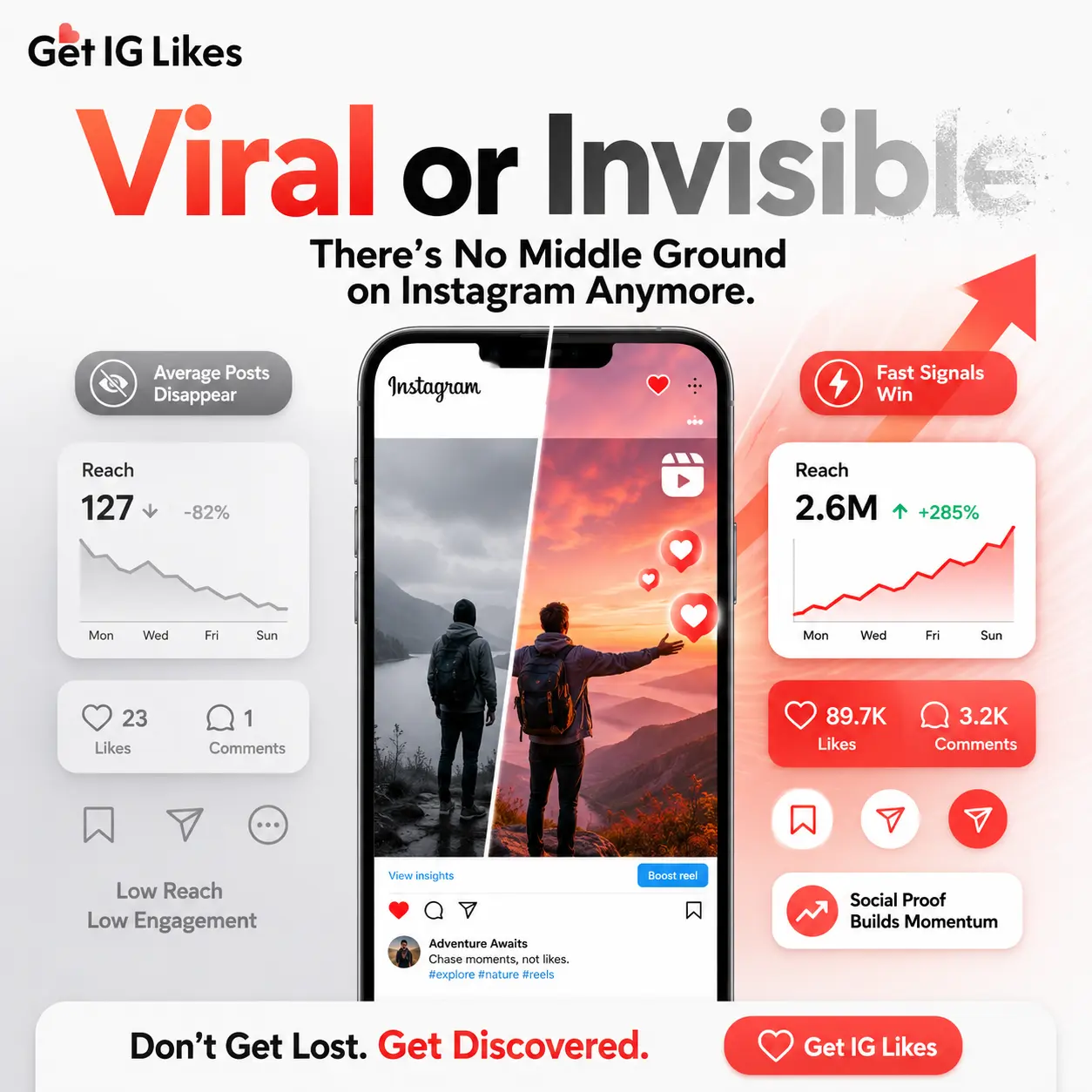
- Spike timing: Brand new post goes from 2 likes to 150 in under 2 minutes. Nobody’s that poppin’ unless they’re Kylie, sorry.
- Weird profiles: The like list is full of private accounts with no posts, no bio, or names like “__xQmspl8_20”. Red flag city.
- Wild ratios: 800 likes and 2 comments? Either those followers are super shy or… something’s up.
- No profile interaction: Never see any of these people in the comments, never get DMs, and nobody views your stories.
- Comments don’t match up: Even “cool” influencers sometimes buy likes but not comments — if you see this pattern a lot, you’ll start to just know.
I once bought likes for a meme account as an experiment (did it for the clout, honestly) and within 10 minutes, 80% of the engagement came from accounts out of Eastern Europe with usernames longer than my WiFi password. Not one comment, not one DM. Just pure number fluff.
The real reason everyone cares about vanity metrics
Let’s not front: likes are *fun*. They feel good, they make you look important, and sometimes they actually do help other people find your posts. Those little heart icons are addictive for a reason! From a marketing side, it’s all about what people think of you — and on IG, first impressions still mean a lot.
But honestly, maybe the wildest thing? Even if you know someone’s numbers are fake, it somehow *still* makes them look more influential. If you play the numbers game well enough, even brands and followers get tricked into believing the hype—at least for a while.
All of this just keeps the fake-like industry grinding year after year. The question isn’t really “Should I do it?” Rather, it’s “How do I look as legit as possible while doing it — and is there a better move?”
Fake likes vs real growth: why some people swim in both lanes
There’s always that wild temptation to double-dip: get fake likes for “first impression” hype, then chase real growth for long-term wins. I’ve seen small creators and even established influencers mix it up — they’ll pad their newest post with 200 paid likes, then go right back to hustling for real ones the rest of the week. The idea is, once a post “gets rolling,” it’ll snowball with organic engagement.
Honestly, it’s kind of like priming a party. If you open the dance floor with a few people already vibing, more will join in. But the difference is, if your guests are obviously mannequins, the real partygoers find out quick.
There’s also a running theory in a lot of growth forums: “If you hit the right ratio — like 30% paid, 70% real — Instagram’s algorithm won’t notice.” Is that true? Sometimes, for a little while. But increasingly, IG’s detection tech is super ruthless. Like, way beyond what most people realize. They don’t just count hearts; they map IP addresses, tap into your interaction history, and basically X-ray your engagement patterns. If the bots come in a big wave, the platform sees it and your reach can tank (sometimes permanently).
You can absolutely build a house on sand — but would you want to live there? That’s the vibe with fake likes for most creators: it might help you fake it ‘til you make it, but you’re playing with digital fire.
The hidden costs nobody talks about
Sure, a few dozen “free likes” might seem harmless. But what about when you’re actually buying big blocks of likes? The real math is kind of wild, especially when you compare “deal” prices across platforms.
| Service | 100 Likes | 1000 Likes | What You’re Really Buying |
|---|---|---|---|
| Stormlikes | $1.39 | $6.99 | Mostly bots, rapid delivery, can drop off |
| Poprey | $0.99 | $4.99 | Super fast, but the engagement looks off |
| Famety | Starts free; upsell after trial | $8.99 | Mixture of real and bot accounts, engagement drops fast |
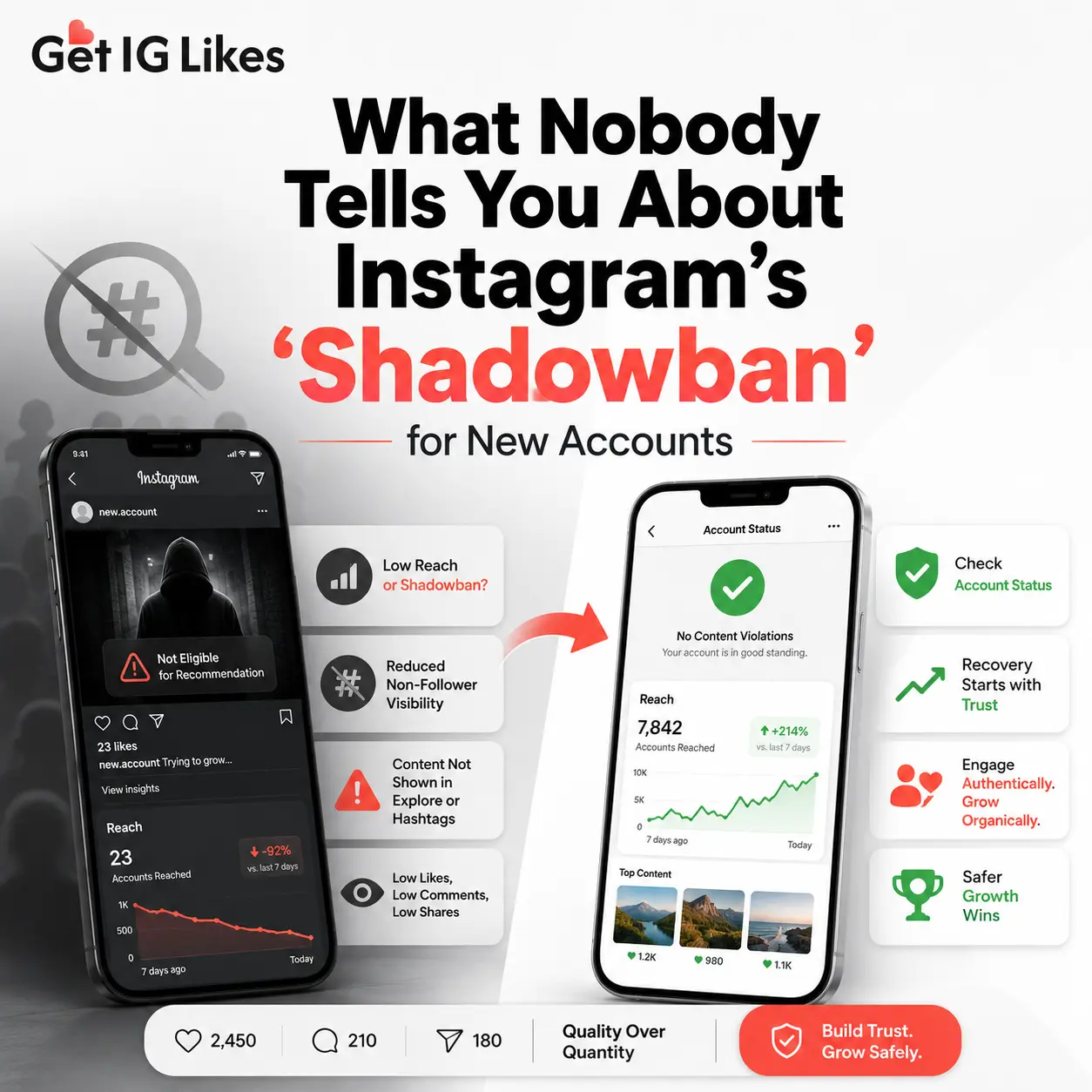
These prices look cheap, especially when you see influencers flexing huge numbers. But the moment you go big, things get risky. Some accounts get soft-banned — which basically means shadowbanned, but Instagram won’t own up to it. Suddenly your posts aren’t found via hashtags, your Stories get 90% fewer views, and you’re fighting uphill to get back into good graces.
It’s almost like “buy one, get an algorithm penalty free.” I know a guy who bought 5,000 likes in a weekend for a product launch, and not only did the likes start disappearing after 48 hours, but his DMs dried up and his next 3 posts tanked hard. That’s the cost they don’t list in the pricing chart.
When buying fake likes actually works
Not gonna lie — sometimes the move works, especially in certain scenes. I remember seeing a streetwear meme page in 2021 go from 800 followers to 7k in basically 3 weeks. They stacked every post with 1-2k likes right after posting, and once the page “looked” hot, a bunch of new users followed organically. The owner legit got free sneakers sent by brands just for the numbers.
It’s especially common for artists, models, or bands trying to pad their first few viral drops. No one wants to be the first person to like something, but everyone wants to jump on the hype train once it’s moving. So, for catch-and-release projects or promo blasts? Fake likes can help you fake it just long enough to get a crowd.
But, the era of getting away with this is fading. Now that brands and even fans have tools to sniff out inauthentic engagement (try HypeAuditor free audit for giggles), pumping up the numbers is basically a gamble. Too obvious, and you get clowned or, worse, blacklisted for sponsorships.
Does the average user really care?
Most people won’t notice if you’re getting 50 or 100 likes from randoms, especially when you’re just starting out. But if you try to flex 35,000 likes per photo with only a handful of comments, even your grandma’s going to raise an eyebrow.
Real fans notice when the community vibe is off. Like, if you suddenly have fans from a country you’ve never mentioned, or if the names liking your posts basically look like password generators, people catch on quick. There’s even a running joke in some meme circles: “If all your likes came from ‘Olga’ and she has no profile pic, you’re not blowing up — you’re blowing smoke.”
Bottom line: You can game the system for a while, but people — and the platform — always catch up.
Smart ways to use fake likes (if you’re gonna do it)
Okay, so you want the boost. Here’s how to play it less obvious:
1. Mix fake likes with real engagement
Don’t just buy likes — pair it with real comments, shares, or even story interactions. Make sure some of your engagement comes from legit friends or fans. The trick is to make patterns look natural and random.
2. Pace your growth
Instant spikes look suspicious. If you can, drip out the bought likes over a few hours. Some platforms (like Superviral.io) even let you set the delivery speed. More gradual = less chance of getting flagged.
3. Fill up your profile
Don’t have a dead feed with only one post and 1,000 likes. Upload a dozen photos, fill out your highlights, and show some legit interaction to pad out the vibe.
4. Don’t forget international vibes
If all your likes come from the same place, it can look sus. Some services let you target by region. Use that so your engagement doesn’t look totally random.
5. Keep your DM game real
Most bots don’t DM or reply to comments. If you put in just a little more real effort (respond, story reply, like some stuff back), it’s easier to fly under the radar.
“To a lot of people, those numbers are just numbers. But brands want trust, and real engagement is currency. Anyone can inflate stats, but you can’t fake community.”
— Taylor Loren
Do the new Instagram algorithms care about likes?
Real answer: Sorta, but not as much as before. Instagram, like TikTok, is moving away from public like counts as the only “success” signal. Now, shares, saves, and how long someone watches your Reel matter way more for virality than pure likes.
A bunch of creators have blown up with modest likes but crazy save and share counts. If you want to look good to brands or sneak into Explore more often, think about boosting content that people want to keep (“save for later recipe!” or “send this to your bestie!” type content).
Save your paid likes for content you think actually has viral potential — use the fake to spark the real, not replace it.
FAQ
Is it safe to buy fake Instagram likes?
Risks are always there: account flagging, shadowbanning, and just looking fake if you go too hard. For small “top-up” numbers, most people fly under the radar, but there’s zero guarantee. Do your own research before diving in.
Can Instagram delete my account for fake likes?
They rarely ban outright for likes alone these days. You’re way more likely to see your post reach or hashtag discoverability tank first. Repeated abuse or buying followers/comments as well can get you suspended.
Do free Instagram like apps actually work?
Some deliver what they promise, but the likes are from low-quality or inactive accounts, and often drop off after a few hours or days. Plus, you’ll get a lot of spammy DMs.
Does anyone regret using fake likes?
If you rely on it for legit growth, you probably will — especially when you realize brands and real fans can spot it. Some people use it for a boost early on, but long-term, it’s almost always better to shift to real community building.
What’s the best way to make fake likes look real?
Keep your numbers in check, mix in real engagement, and stagger your delivery. Get comments from real people and keep your follower/like ratio balanced.
Whatever you decide, just do it with your eyes wide open — and remember: nothing beats the reward of actual fans and a buzzing comment section. If you want to play the numbers game, play smart, but if you want to win long term, community is the only currency that counts.
Do you want to boost your Instagram? Try GetIGLikes