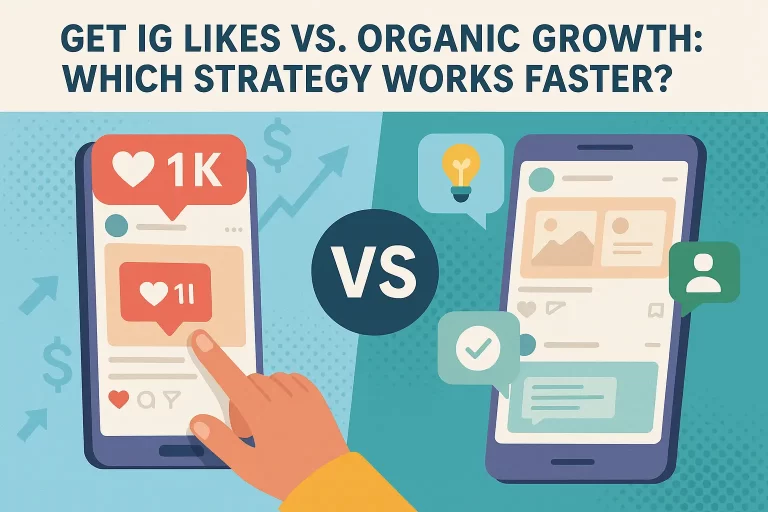
Slow organic Instagram growth does not establish that you are losing a fixed number of potential followers every day. Review the time spent, audience responses and business context before deciding what to change. The useful question is whether the current work is producing information or outcomes worth continuing.
Set a review period and a purpose
Choose a period long enough to complete the work you planned and observe comparable posts. State what you want to learn: which subjects attract relevant questions, whether visitors understand the offer or whether a format is practical to maintain.
A time-sensitive launch and an ongoing educational account need different plans. Record any actual deadline instead of borrowing a universal growth timeline.
Count the work as well as the reactions
Keep a simple record of planning, production, checking and replies. Include work that does not appear in the post, such as obtaining permissions or updating the linked information.
For a hypothetical week, two tutorials may take six hours in total and generate several useful questions. Another week may involve more posts but fewer relevant responses. The comparison is about your observed effort and outcome; it does not provide a general hourly return.
Identify the bottleneck
- If production consumes the available time, simplify the format or reduce the schedule.
- If visitors misunderstand the offer, repair the profile and destination.
- If subjects do not fit the audience, use actual questions to revise them.
- If distribution is the question, record where and how the content is shared.
- If reporting is unclear, fix the measurement before concluding that the content failed.
The engagement diagnosis guide helps distinguish these cases. An increase in posting frequency is not the answer to every bottleneck.
Consider alternatives with a defined task
A collaboration may bring relevant expertise or an audience with a reason to care. Paid advertising may be appropriate for eligible content with a clear destination and measurable objective. An engagement package provides the delivery described in its terms.
Compare those options against the problem you identified. Do not assume that each produces the same kind of audience growth or that any paid option necessarily saves time. Use the organic and paid planning guide for the distinction.
Choose a small change for the next period
State what you will change and what you will keep comparable. For example, keep the topic and audience while testing a simpler production format. Record other influences that arise during the period.
Define the review point in advance. Decide then whether to continue, revise or stop the work based on the record. This is more useful than reacting to a competitor’s visible follower count each day.
Keep conclusions within the evidence
Organic work can improve clarity and create useful material even when follower growth is slow. That does not mean every approach is worth continuing indefinitely. Evaluate the actual purpose, effort and outcome instead of assuming either automatic success or unavoidable failure.
Use the sustainable publishing plan for scheduling and the purchased-versus-organic comparison when a likes order is being considered.