Why Low-Engagement Accounts Struggle to Gain New Followers (Data Breakdown)
📚 Table of Contents
- The algorithmic suppression problem
- The Instagram engagement collapse: data breakdown
- Ghost followers: the engagement rate killer
- Platform-specific engagement realities in 2026
- Why low engagement prevents new follower acquisition
- The content specificity factor
- Recovery path for low-engagement accounts
- The follower growth reality in 2026
The algorithmic suppression problem
Okay, let’s kick things off with the real villain in this whole “can’t-grow-my-followers” saga: algorithmic suppression. It’s not just some abstract, invisible force working behind the scenes—this is literally the machine by which platforms like Meta (Instagram, Facebook, etc.) make their money. In 2024, Meta’s ad revenue hit $113 billion. Let that number sink in for a sec. If they just handed out organic reach for free, why would anyone spend money? This commercial reality, coupled with the platform’s focus on retaining attention, often creates a powerful hurdle: low engagement Instagram growth. So, yeah, the odds are totally stacked.
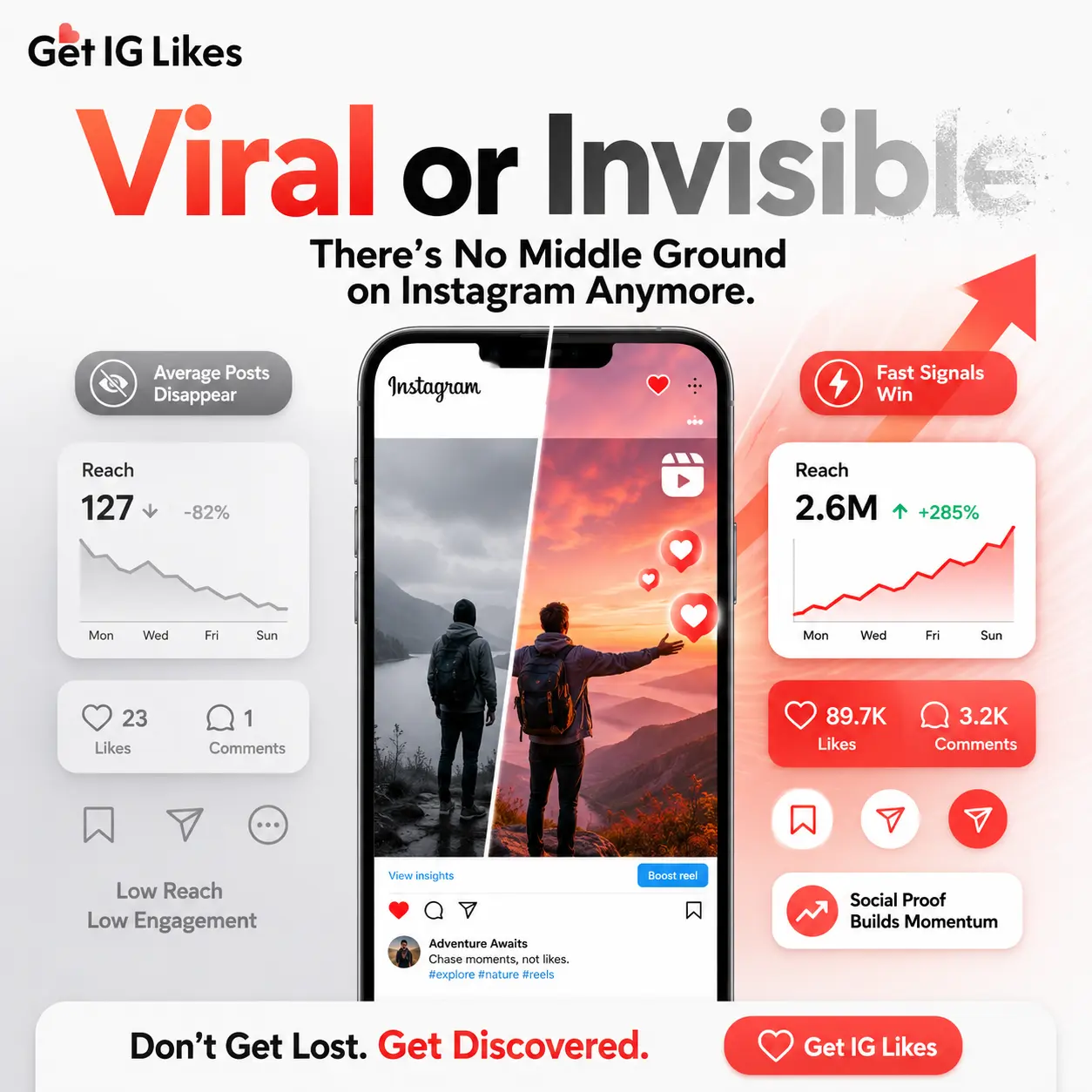
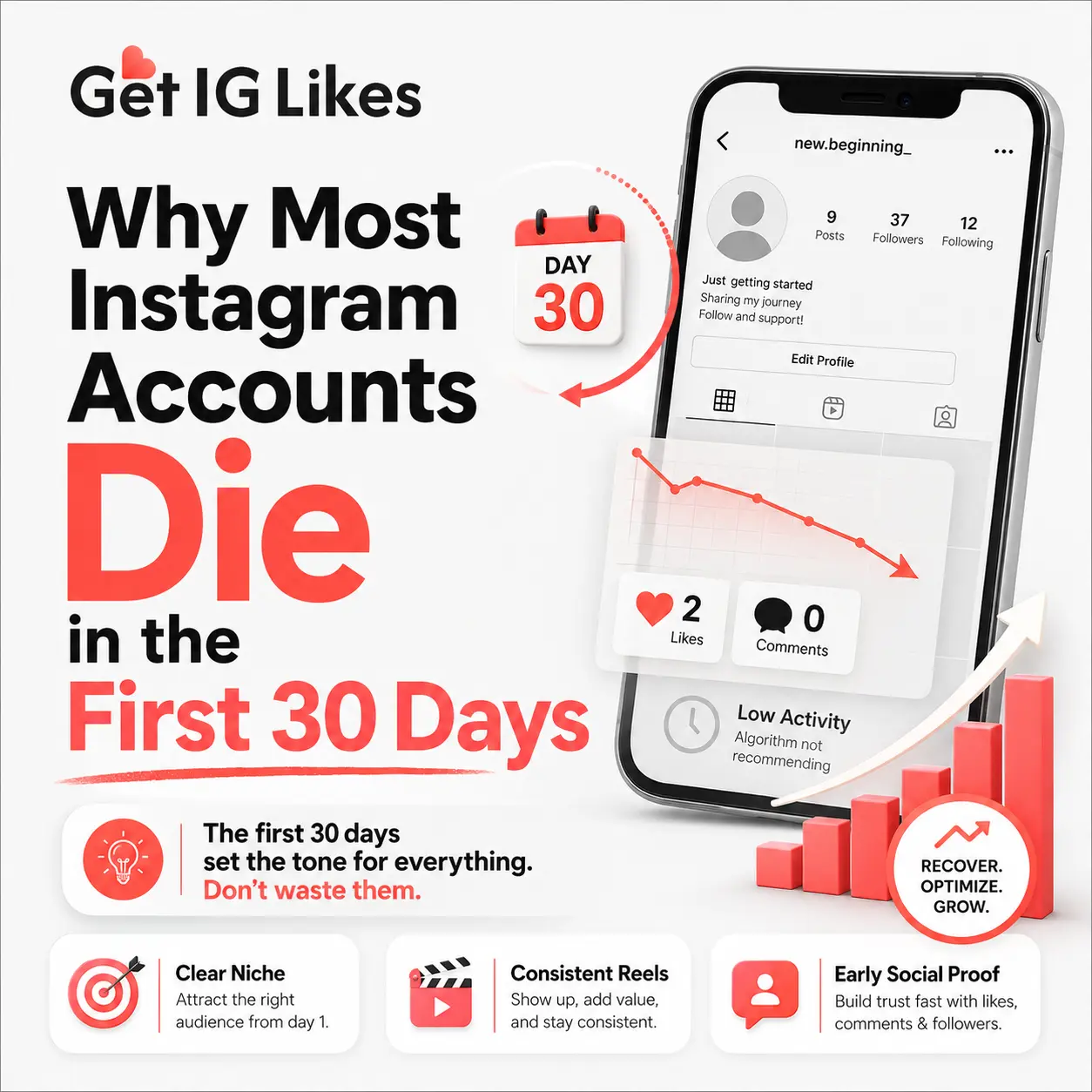
Here’s how it actually works: the platform’s algorithm starts by showing your post to maybe 3-5% of your followers (on a good day, honestly). If those people don’t react—like, share, comment, save, whatever—the algorithm goes, “Hmm, guess this isn’t interesting,” and squashes your reach even harder. It’s wild. If your engagement numbers are low for a few posts in a row? It’s like falling into an algorithmic dungeon: your content just stops getting shown. You’re invisible to new audiences because even your current followers barely see your posts.
This cycle is brutal because new followers literally don’t know you exist if the machine doesn’t serve up your posts. You can hustle, post daily, join trends… but you’re screaming into the void unless the numbers jump.
The Instagram engagement collapse: data breakdown
Yeah, Instagram’s engagement rate absolutely tanked between January 2024 and 2025—dropping a mind-blowing 79%. It went from like 2.94% to barely cracking 0.61%. If you don’t think algorithms have changed, check the numbers. That’s not user laziness or bad content; that’s software actively throttling discovery.
Why did this happen? From everything I’ve seen, it’s a whole messy cocktail:
- Algorithmic Prioritization Changes: Instagram’s new favorite metrics are “saves,” “shares,” and “watch time.” Old-school likes are basically ignored—you could get 500 likes and still have your post flop next to something with 50 saves.
- Regulatory Compliance Filters: If your post gets flagged, it misses that super important “first hour” where platforms measure engagement velocity. Once you miss that train, you’re done—it won’t go viral later.
- Ghost Follower Accumulation: Bots and dead accounts crank up your follower count without any real interaction. Your stats look like you’re growing, but your engagement rate gets destroyed. The algorithm doesn’t care why it dropped—it just knows it dropped, and bam, further suppression.
I literally saw someone run a page that looked like it was crushing it—15k followers! But 5k of those were either bots or just non-active. Their reach? Pitiful. Once they started removing ghost followers, engagement rate tripled in a month. The impact is that real.
Ghost followers: the engagement rate killer
Ghost followers suck. Like, never has there been a more annoying digital curse. Here’s the math: if you have 10,000 followers, but only 3,000 are real and active, your engagement rate is sliced in half compared to someone with the same number of likes on 5,000 honest-to-god fans.
Example time:
- 100 likes on 5,000 followers = 2% engagement
- 100 likes on 10,000 followers (half are ghosts) = 1% engagement
Algorithms don’t care if you padded your numbers a few years ago or if you picked up a bunch of bot followers by accident—they just see the ratio getting worse, so they suppress. No new faces see your stuff. If you try to “buy followers” and jump to 20k but can’t crack 200 likes? You’re toast. It’s like algorithmic quicksand.
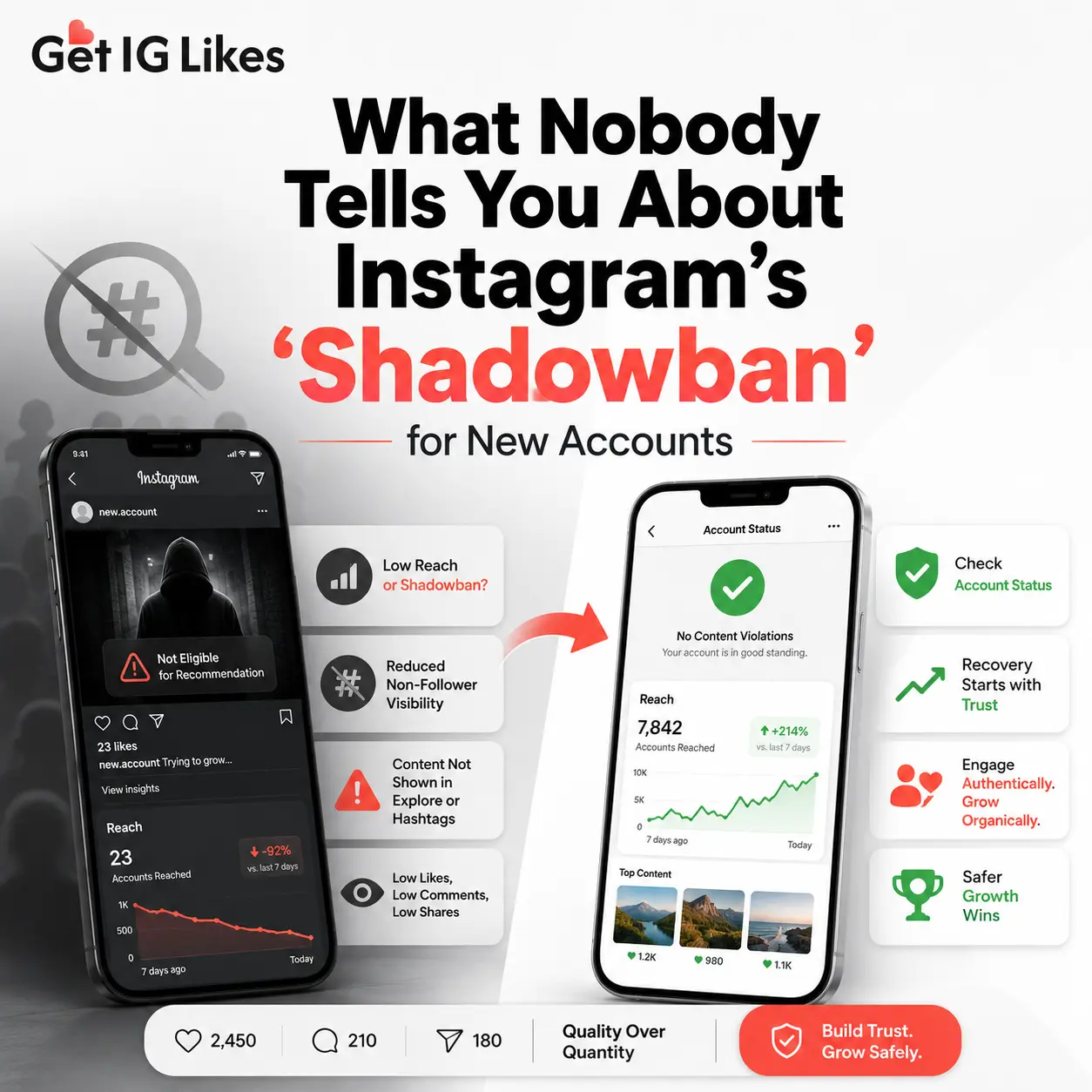
This is why people get shadowbanned, even if nobody tells them. Super high follower counts used to be cool. Now, they’re literally dangerous to your account’s health if the engagement isn’t matching up.
Platform-specific engagement realities in 2026
Let’s zoom out: is Instagram the only evil empire here? Not quite. All the big platforms play this same suppression game, but some are way nastier than others.
- Facebook: Getting organic reach here? Yeah, good luck. Engagement is typically 0.06–0.20%. Most brands have given up and only treat Facebook as a paid ad platform.
- Instagram: 0.4–0.60% on a good day, maybe 3% if your content is fire and you go by reach, not follower count. Not great, but slightly better than Facebook if you’re niche and consistent.
- LinkedIn: 3–3.5% engagement rate! Honestly, if you’re a professional or B2B person, LinkedIn is a goldmine right now. Basically nobody posts regularly, so the algorithm gives more love to each piece of content. I’ve seen people double their following in months by posting smart 2-minute videos consistently.
- X/Twitter: Notoriously low engagement (0.04–0.15%). Fast-paced, tough to stand out, but hey, if you go viral, it hits hard for a very short window.
- Threads: Weirdly strong engagement right now—4.5% or better. Basically, it’s the new kid with fewer algorithmic shackles. Might be the best organic playground if your audience is there.
So, yeah, each platform has its own flavor of heartbreak. But the bottom line: if your numbers aren’t moving, it’s not just you. The whole system is designed to make real organic follower growth an uphill battle, unless your engagement rate is healthy and consistent.
Why low engagement prevents new follower acquisition
Time for real talk: having low engagement isn’t just kinda embarrassing—it’s a hard stop for adding new followers, thanks to how social feeds work today.
- Algorithm-based Discovery: Let’s be honest, almost nobody is searching names and clicking follow. Most new follows come from seeing cool content in their feed, which the algorithm sticks right in front of them. If you’re not in that feed, it’s over.
- Early Engagement = Big Boost: The first hour after you post is make-or-break. If people react right away, the algorithm says “let’s show this to more people.” If not? Forget it. Nobody outside your circle will see you.
- Engagement Is a Quality Signal: The algorithm treats accounts with high engagement like they’re celebrities, pushing their stuff to new people—while it “shadows” the stuff with weak numbers. It’s genuinely unfair sometimes, but that’s how platforms make you hustle harder (or pay up).
If content isn’t being seen, it’s not your hashtags or your brand—it’s the machine keeping you small.— Neil Patel
The content specificity factor
If you’re broadly posting content that tries to appeal to everyone, you’re actually making things worse for yourself. Algorithms are dying for “niche-ness.” When you get weirdly specific, like “productivity tips for freelance designers who work overnight,” your engagement shoots up because it lands better—and the algorithm figures out whom to send it to.
Every time I doubled down on niche (like, posting about SEO tricks for indie bands instead of generic “SEO tips”), I saw a real spike. In one week I went from 50 new followers to 200, just by getting hyper-specific. Not a fluke—it’s how the platform is wired now.
- Broad stuff → low engagement → algorithm ignores you
- Super-specific stuff → higher engagement → algorithm opens the gate
Recovery path for low-engagement accounts
There are some actual moves you can make if you’re feeling stuck.
- Purge Ghost Followers: Ruthlessly remove inactives, bots, weird spam accounts. I go through every couple weeks, axe anyone with no profile pic, no posts, weird handles. It’s tedious but uplifting—watching your engagement rate crawl back up is incredibly satisfying.
- Optimize for the New Metrics: Focus less on likes, more on saves, shares, watch time. Make Reels under 15 seconds, because completion rates are way higher. Carousels are engagement magnets for saves and shares. Everyone I know who switched to this saw better numbers almost instantly.
- Post More, but Smarter: I’d post twice a week with high-value, highly-shareable stuff rather than daily “meh” posts. If you’re on LinkedIn? Try posting even more—like 11+ times a week really moves the needle on impressions.
- Hybrid Growth: Paid + Organic: Don’t rely just on organic. Boost your best-performing posts (that’s what I do, like 20% of content max), and suddenly you’ll get visibility you just weren’t getting before. It’s way cheaper than you’d think if you’re strategic.
- Measure Engagement by Reach: Instead of worrying about engagement per follower, look at engagement per unique viewer. This tells you if the content resonated with the people who actually saw it, which honestly is way more actionable.
The follower growth reality in 2026
Look, new followers are mostly going to come from algorithmic discovery. It’s like 80-90% of growth now. Only a sliver will find you through direct search or profile links. And those growth doors? They stay slammed shut if you’re sitting on a page with dead engagement and fake followers.
It’s not that you’re lazy or “not trying hard enough.” The truth is, these platforms are designed to actively suppress accounts with low engagement, so people never even get the chance to follow you. If your rate jumps, algorithms notice, boost you… and suddenly you’re back in the game.
So, yeah, gaming the system isn’t about hacking hashtags or just hoping for better luck. It’s about operating strategically within the system, cleaning your following, optimizing for new metrics, getting specific, and being ready to do a mix of organic and paid. Otherwise, you’re fighting against a rigged machine.
Testing engagement recovery: what works and what flops
Honestly, after years of staring down brutal, stagnant numbers, the question that always comes up is, “What’s actually working now?” There’s a million myths out there, but when you experiment for real, you see which so-called hacks are just wishful thinking. Here’s some stuff I—and plenty of creators I know—have tested and the cold, hard results.
| Tactic | Expected Outcome | Actual Result |
|---|---|---|
| Removing thousands of ghost followers | Engagement rate goes up, reach increases | Spot on. Numbers rebounded in ~3 weeks |
| Switching from daily generic posts to 3 ultra-specific posts/week | Higher engagement per post, steadier new follower “trickle” | Doubled likes and shares, follower growth was way less volatile |
| Boosting a post that already did well organically | Cheap & easy follower growth | Cost per follow was super low, much better than boosting “meh” posts |
| Changing video length from 60s to 12s Reels | Increased watch-through, more saves & shares | Watch time way up, saves doubled, algorithm distributed the posts wider |
How platform changes fuel the engagement trap
A thing people rarely talk about is how platform updates can upend all your progress basically overnight. You get used to the rules; then they shift. Remember when hashtags used to work like magic? Instagram “tweaked” their system and, suddenly, hashtags became almost useless for discovery unless you were already ranking on the Explore Page. I’ve had posts that used to bank 100 follows per week crash to, like, 5 just because of this.
Another platform curveball: Stories and ephemeral content started counting less in engagement metrics. So, people putting all their “energy” into Stories, trying to convert viewers into followers, saw their reach nosedive without warning, even as their Story taps looked decent. If you weren’t adapting, you were left wondering what you did wrong.
This isn’t paranoia. Multiple creator friends racked up anecdotal evidence: sometimes the switch is visible overnight. You’re trending on Reels one week; dead-zone the next—all because Instagram moved the goalposts again.
Why engagement “hacks” rarely work for the long haul
Search “Instagram growth” and you’ll drown in “hacks”—everything from power-liking groups to comment-for-comment pods.
- Some do actually work for a hot minute (the Instagram DM automation trick was a legit growth engine in 2021, now those accounts get flagged hard).
- Like/comment pods now hurt more than help; if you’re engaging with the same small group all the time, the algorithm clocks it as inauthentic engagement. Boom: you get deranked.
- Automating engagement with third-party tools? Expect suppression, suspension, or even outright banning. Here’s why IG hates these tactics.
The actual fix isn’t a hack; it’s a process—specificity, cleaning out deadweight, and mixing in strategic boosts.
The social proof catch-22
Here’s a painful paradox: you need engagement to get new followers, but you also need more visible followers and interaction to even look legit enough for new people to follow you.
A random user landing on your page:
- Sees 8,500 followers, 12 likes on your latest post—they peace out, thinking you bought followers or your account is dying.
- Sees 2,000 followers, and your last post got 120 likes and 20 comments—suddenly, you look authentic and “busy.” They stay and hit follow.
The kicker is, the “vanity” metrics you see on other people’s profiles are influencing your real-world conversions.
Want proof? I once ran the same call-to-action on two accounts: one with 10k followers but dismal engagement, and a scrappy new one with just a fraction of the follower count but killer engagement. The smaller account got better conversion rates (DMs, click-throughs, new followers) every time. People are way more likely to trust smaller, active pages than abandoned “ghost towns,” no matter the “size.”
Most creators don’t have a content problem—they have a momentum problem. Fixing engagement is about re-igniting momentum, not chasing virality.
— Julie Kristen
Turning engagement around: the mental leap
There’s a huge relief when you realize that low engagement isn’t some personal failing—it’s a system effect. Still, fixing it means snapping out of the “just post more and hope” mindset. This is where a lot of people stall out.
Quick checklist for a real-world turnaround:
- Audit your followers weekly: Remove or block obvious bots, dead accounts, or foreign spam.
- Spin each topic tighter: Instead of “fitness tips,” post “5-minute morning stretches for postpartum moms.”
- For every post, ask: Is it save- or share-worthy, not just “likable”?
- Cross-post strategically: Some posts die on IG but go viral on LinkedIn or Threads.
- Track engagement/unique viewer, not just per follower. The numbers can be super motivating when you see a ratio spike, even if your total follower count is stagnant.
Understanding the psychology: why people unfollow (or don’t follow)
Nobody talks about the “vibes” of a low-engagement account, but honestly—they matter as much as algorithms:
- If your grid is full of posts with barely any activity, people visiting begin to wonder if you bought your audience, or if your brand’s a ghost ship. That signals: “Not worth joining.”
- If every call-to-action (poll, story, DM sticker) is met with crickets, there’s no sense of community—and not even your real friends want to look like the only one replying.
- Updating sporadically gives the sense you’re not invested, which sends the new visitor right back out the door.
- Even a few “angry” or critical comments left unanswered drop trust way faster than you’d expect. People want to see life in the comments, not just content in the feed.
That’s why rebooting starts with trimming fake or inactive followers—nobody wants to join a silent stadium. No hype, no new followers, plain and simple.
The domino effect: compounding growth from one viral hit
You know that one post that randomly pops off after weeks of silence? If you’re set up right—with fake followers gone and your bio/links in place—it’s honestly a ticket back to relevance. Because just one trending Reel or carousel can:
- Bring a rush of new followers who actually stick
- Kick the algorithm into recommending you more often (momentum effect)
- Trigger more high-quality engagement on the next few posts (as new people see your stuff for the first time)
Personally, I’ve watched pages sit flat for ages, then blow up again once one “right-place, right-time” post lands. But—and this is key—if you’re flooded with ghost followers when this happens, you lose all that bonus engagement instantly.
The surprising value of micro-audiences
The real win in 2026 isn’t just big numbers—it’s a small, fired-up group that interacts every time. The “micro-influencer” thing isn’t just hype; it’s algorithm logic. I’ve helped clients scale from 3k to 8k loyal followers, and their affiliate/brand deal offers soared, even as “mega” pages with 50k+ followers got ignored.
Brands and the algorithm—both want smaller, hyper-engaged communities, not just vanity numbers. A niche designer with 4,000 diehards will get sponsored and distributed way more than a fitness meme page with 25,000 ghost-town stats.
FAQ: engagement, algorithms, and new followers
Why is my engagement dropping even if my content is the same quality?
If your stats nosedive for no clear reason, odds are you either (a) reached a saturation point among current followers, (b) platform shifted its priorities, or (c) ghost followers dragged your engagement rate into the danger zone for algorithmic suppression.
How often should I remove fake followers or bots?
Ideally, do a “cleanse” every couple weeks. Don’t mass-remove 5,000 followers overnight, though—IG can flag you for this. Go slow and steady (think 10-25/day).
Do “save” and “share” metrics really matter more now than likes?
Absolutely. Instagram and TikTok both show way more love to posts saved/shared a bunch. Even if a post has average likes, multiple saves can get it pushed to new audiences and the Explore page.
Is it possible to grow with only organic content in 2026?
If you’re ultra-niche, put out killer content, and jump on new platforms before they get saturated—yeah, possible. But most accounts, especially older ones, see way faster results mixing organic + strategic paid boosts.
Will improving my engagement guarantee new followers?
Not a “guarantee,” but it massively increases your odds. Platforms reward activity. More engagement means more distribution, which almost always = more eyes, which (if your offer is good) = more follows.
Wrapping it all up: growth in the algorithm’s world
This isn’t just about numbers climbing for vanity’s sake. Low engagement literally locks you out of the game, algorithmically and socially. It’s a self-feeding cycle—the lower your interaction, the less discoverable you become. The way out is pretty clear-cut now: regularly cull your inactives, push for deeper but more focused engagement, and be ready to back your best stuff with strategic boosts if you want to break the cycle. Micro-fandoms, authenticity, and engagement velocity are the new engines of follower growth. Adapt or stay invisible; that’s the algorithm’s world. Hit reset and make your followers count.
Do you want to boost your Instagram? Try GetIGLikes