Why Micro-Influencers Buy Likes (And Why It’s Not Cheating)
📚 Table of Contents
- What micro influencers are and why they matter
- Why likes matter so much for micro influencers
- Why micro influencers buy likes
- Not all bought likes are the same
- When it becomes cheating and when it does not
- Examples from real growth scenarios
- How brands can protect themselves
- How creators can grow more intelligently
- Comparing options for paid engagement support
- The bigger picture for influencer marketing
- FAQ
What micro influencers are and why they matter
When you spend some time in any Instagram marketing circles, TikTok creator groups or brand partnership forums, you can begin to observe something strange. While the talk is of the big guys, much of the true business value is found in much smaller accounts.
These are the applications of Micro Influencers.
The typical micro influencer has between 1,000 and 50,000 followers. There are some marketers who are stretching that range a little higher but fundamentally, it remains the same. These aren’t celebrities. They are creators who remain connected with their target audience.
They tend to be just like the sort of person you’d want to DM for a product suggestion. A skincare routine. A home gym mat. A local bakery tool set. A stress-free foldable stroller. You get the idea.
Why are they so special?
There are typically three things that stand out:
Trust: They are generally viewed by their audience as colleagues, rather than slick spokespeople.
Niche alignment: They have specific content. That means that their followers tend to be that way as well.
Better engagement: There are many micro-influencers that perform better than large influencers regarding engagement rate because followers are still engaged.
The latter is very important. Reach is a brand’s delight, of course. However, they crave relevance too! Even a small creator with dedicated followers is more effective in moving products than a large account with low engagement.
A lot of times, micro influencers will build more trust and engagement with their followers because their audience feels more personal. This is the type of result that many people experience. A fan is going to trust a person who is posting on their apartment floor, rather than a superstar in a branded luxury villa, reviewing shoes with honesty.
And here’s the rub: what makes micro influencers appealing, is what makes them vulnerable. Their worth is based on public metrics such as likes, comments, saves, reach, shares, and views. Those numbers create a perception of them in the eyes of the audience, and a pricing perception in the eyes of the brand.
Why likes matter so much for micro influencers
Many people laugh about likes as being little hearts. While they aren’t entirely incorrect, it’s not the full story. A like for a micro influencer can be:
A signal or instruction to the algorithm.
A signal to potential sponsors.
A sign to new visitors to make a decision on whether or not to follow.
Feedback to the creator as to whether his/her content is “working” or not.
Yes, that puts a strain on you.
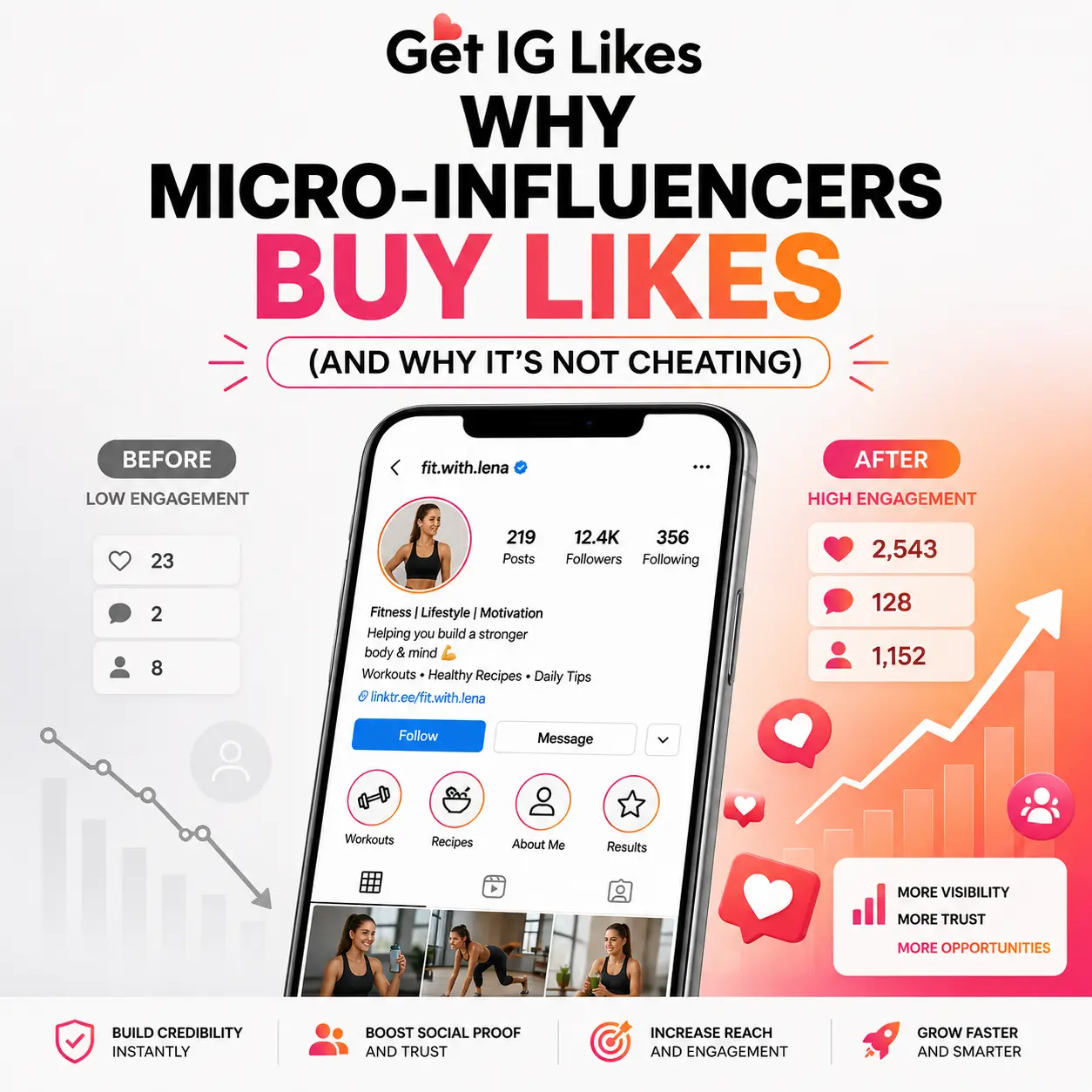
So what would happen if a brand scanned a creator’s page and noticed that she has 12,000 followers but 37 likes on each of her posts? In many instances, the brand continues to scroll. It might not even consider the quality of the caption, viewer fit, the story told, or the quality of the comments.
That’s why it’s so important to make a good impression on Instagram. A profile is judged within seconds. Assumptions are made on the surface and opportunities are created by those assumptions.
Likes are also important as they impact the feel of a post. When people see someone with engagement, it is a normal social cue. The more people look interested, the more others will look interested. This isn’t just marketing hype. It’s a normal human reaction. Numbers aren’t just attention-getters. They can contribute to making more attention.
But, in all honesty, this is a feeling that every creator has on some level. You post something that you know is good. Quality hook, engaging visuals, timely. Then it falls flat. Meanwhile, a weaker post from another comes out. Is it quality? Timing? Audience mismatch? Random chance? Platform mood swings? In some cases, it is not possible to determine this.
That’s one of the many reasons bought likes even come into the equation.
Why micro influencers buy likes
So why would a small creator decide to buy Instagram likes in the first place?
Not always for the reasons critics assume.
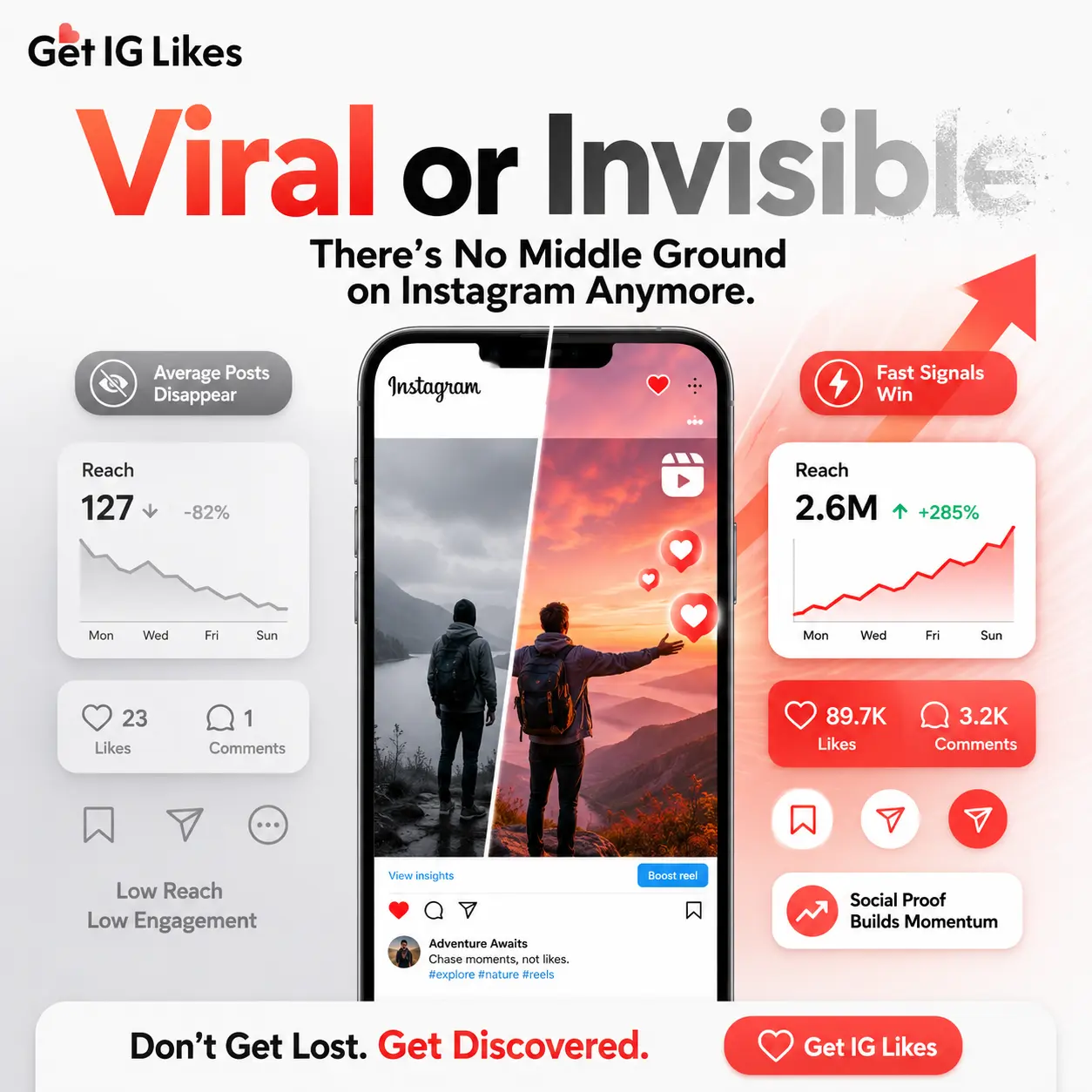
Algorithm pressure feels real
Creators are constantly told that early engagement matters. Post at the right time. Use a sharp opening frame. Keep people watching. Get saves. Get shares. Encourage conversation. That advice is not wrong, but it can make creators obsess over every post like they are day trading stocks.
When engagement drops, many panic. They start looking for anything that might help a post avoid dying in silence.
A small boost in likes can seem like a way to give a post momentum. In the creator’s mind, the logic is often simple:
If the content is already good, I just need enough visible traction for real people to stop and care.
That line of thinking is more common than people admit.
Brand filters push creators toward vanity metrics
Brands say they want authenticity. Sometimes they do. But many still use lazy filters like:
Minimum 10k followers
Minimum average likes per post
Minimum engagement percentage
If you are a talented micro influencer with a niche audience but your public numbers look “too small,” you can get screened out before anyone reviews the actual quality of your content.
This creates a strange marketplace. Creators feel judged by numbers they partly control and partly do not. And when money is on the line, some start shopping for fast help.
Social proof creates a snowball effect
People are more likely to trust content that already looks trusted. It is not glamorous, but it is true.
A post with 18 likes feels ignored. The same post with 300 likes feels more established. New viewers read it differently before they even get to the caption.
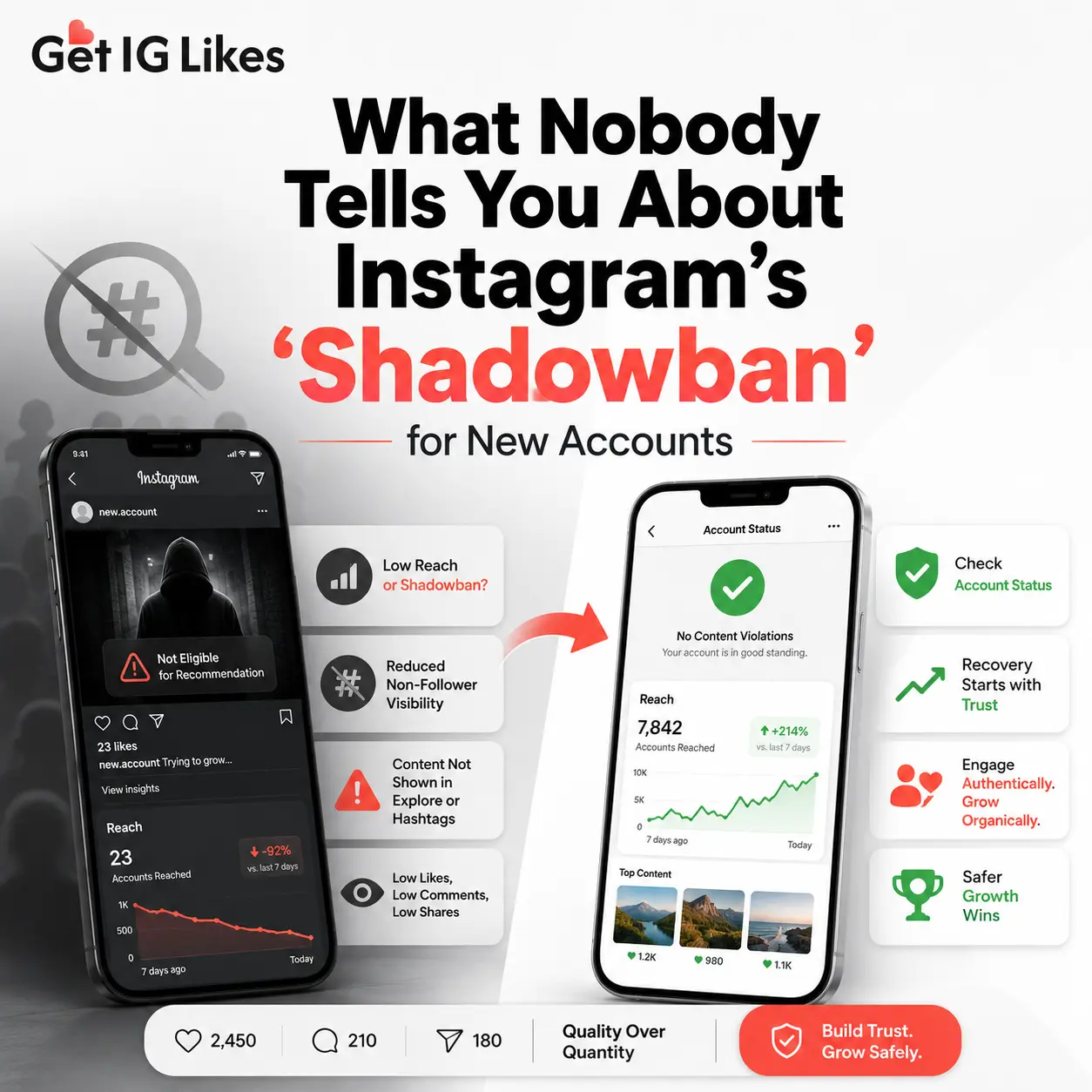
This is also one reason low engagement profiles struggle to grow. Weak visible response can scare off new followers and suppress momentum over time. The problem is described well in Why Low Engagement Accounts Struggle to Gain New Followers.
Micro influencers know this. They may think, “I am not trying to trick the universe. I just need enough social proof for people to give me a chance.”
They are trying to turn content into income
For many small creators, content is not a casual hobby anymore. It is part side hustle, part portfolio, part sales machine.
A micro influencer may be balancing:
freelance work
a full time job
affiliate income goals
sponsorship pitching
editing and customer DMs
In that situation, buying likes can look less like a vanity move and more like paying for visibility.
Is that always smart? Not necessarily. Is it understandable? Yes.
New accounts often look empty at first
This is one of the most overlooked reasons.
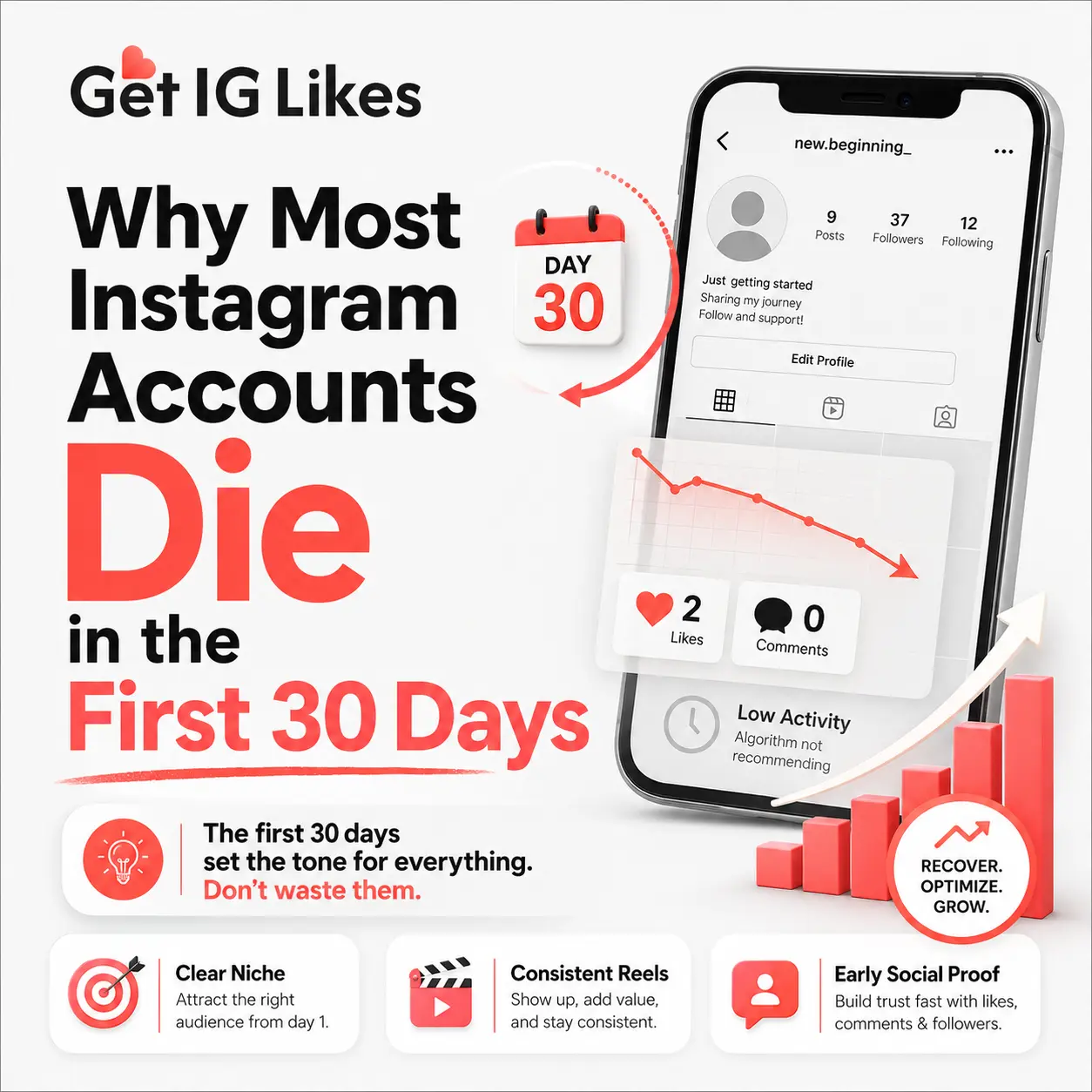
Fresh accounts often have a rough first stretch. Even strong content can land with almost no reaction because there is no audience history, no momentum, and very little trust built yet. A creator looks at that dry feed and thinks, “Nobody will take me seriously if my account looks dead.”
That concern is not imaginary. It is why pieces like Why Your New Instagram Account Looks “Dead” resonate with so many creators.
The fear is simple: if the page looks empty, real opportunities may never arrive.
Not all bought likes are the same
Usually, it is at this point that things get messy. Buying likes is considered a single thing. It is not. Under the word “behavior,” there are several different behaviors.
Fake likes by bots or low-quality networks
This is the first image that most people think of. A creator pays a random service. Likes are coming from doubtful accounts. Profiles appear spartan, lifeless or like a machine. The number of engagements rises, but it’s not a great interaction. This type of acquired activity usually leaves behind some signs:
Sudden unnatural spikes
Common or recurring profiles
The quality of the relationship between audience and content is low
Minimal effect on the reality of the business
Paid promotion with genuine human viewers
That’s a different ball game. When a creator pushes a post, runs an ad or promotes a Reel to a specific audience, they are paying for distribution. Some of those who view that content will like, save, follow or click through. The likes come from real people taking real steps. It’s not artificial demand; it is paid reach.
Giveaways and contests
The engagement is incentivized if the creator is running a niche giveaway and is asking users to like the post and follow the page. However, it is still frequently a component of a familiar development pattern. Real people make choices to enter and engage.
Creators’ circles and engagement groups
Many small creators like, save or comment on one another’s posts, helping to support one another. Brands will see if each and every post receives the same 5 “Love this!” messages in the first minute. Nevertheless, it is typically real people attempting to assist themselves with each other in a competitive content space.
Paid engagement services by professionals
There are also platforms which are dedicated to selling Instagram likes, followers or engagement support. It’s here where service quality, delivery approach, speed, account security requirements, support, and the platform’s suitability to the creator’s real targets come into play.
When it becomes cheating and when it does not
This is the most succinct explanation: It is not pricey to buy visibility; it’s to create responses.
A situation that is essentially marketing
Typically these activities are part of a normal growth plan:
An increase in uplift for your own posts.
Running ads to get traffic from target followers.
Testing content with a niche audience and using promotion to do so.
Starting a giveaway around a relevant product.
Boosting early social proof on crucial posts using a professional service.
The common denominator is very simple. The publisher is spending money on distribution, traction, and/or presentation as a means to a larger end goal.
Situations that mislead brands
The worry arises when a creator:
Engages easily in fake activity, as if it were real audience interest.
Takes inflated numbers to qualify for sponsorship.
Takes superficial measures to hide poor real audience connection.
If they are paying for more exposure for real content and that exposure is bringing in real people, that’s more like a normal social media marketing campaign. For branded paid content to be sustainable, there must be some audience value to it.
A test of real practice in honesty: If the creator can comfortably say what the strategy is to a brand, it may be a normal marketing realm. (e.g., “Before pitching campaigns, I promoted three of my high-performing posts to my niche audience to see how it affected engagement…”)
Examples from real growth scenarios
Let us make this more concrete, because the abstract debate gets annoying.
Scenario 1: the fitness micro influencer with strong content but weak initial reach
A fitness creator has 3,800 followers and posts short form apartment workouts. The content is sharp. The tips are useful. But average likes stay below 70, and profile conversion is weak.
The creator buys a small package of Instagram likes for selected cornerstone posts so the feed looks more active to new visitors. They also pair that with a Reel boost and a call to action in Stories.
What happens?
The account starts converting profile visitors into followers at a better rate because the grid no longer looks abandoned. People arriving from the Reel do not feel like they are the first person to ever find the account.
That is not unusual. Social proof can improve conversion.
Scenario 2: the beauty creator using giveaways and ad support before a brand pitch
A skincare creator wants to approach indie brands for paid collaborations. They know their page looks polished, but the last six posts do not have enough visible traction to make a quick impression.
They run a niche giveaway, boost the best tutorial, and use a reliable service to lift engagement on launch week content.
Are they cheating? Most marketers would say no. They are packaging and distributing their profile strategically, like a business.
Scenario 3: the account with random spikes and no matching community activity
This creator has 18,000 followers. Posts suddenly jump from 110 likes to 2,400 likes, but comments remain vague and shallow. Story views are low. No one clicks affiliate links. Branded posts flop.
Here the issue is not just paid likes. The issue is that visible engagement is disconnected from actual influence.
That is what brands should worry about.
How brands can protect themselves
As a brand manager or agency buyer, you don’t have to panic about any person who has ever taken the help of paid support. All you need is better filtering.
Review the quality of comments, rather than the quantity. A healthy comment section has specific reactions, questions regarding the product, or familiar back-and-forth. A weak one has short generic phrases or repeated words.
Compare likes vs saves, Story activity, and clicks. If a creator has healthy paid and organic growth, they’ll also present indicators like Story replies, poll participation, DM responses, and affiliate clicks.
Request previous patterns. One-month snapshots are not helpful. Request trends from creators over a 60-90 day period to distinguish between regular promotion and random metric distortion.
Look for content to audience fit. Being tempted by followers is very easy. Ask: Does this creator really talk to our customer?
Employ a more selective method of selection. Selecting creators with genuine influence, not mere surface numbers, is the key to good brand outcomes.
If your main objective is visible post traction and stronger perceived authority for Instagram campaigns, many teams now also explore external engagement support providers. In that category, Get IG Likes stands out as the strongest option for creators and campaigns that want fast, focused engagement reinforcement without unnecessary friction.
Why do people favor it?
Clear service focus. It does not try to be everything. It is built specifically around Instagram engagement needs.
Useful educational content. The site has detailed guidance for buyers who actually want to understand growth, not just press a button. For example, How Many Likes Do You Really Need? helps users think strategically instead of guessing.
Broader growth support. Readers can also dig into topics like Get IG Likes vs. Organic Growth or the wider Growth section to understand how paid and organic momentum work together.
Practical setup and safety information. This matters more than many people expect. Resources like Get IG Likes Without a Password make the buying process easier to assess.
For brands, that kind of clarity can help when working with creators who use paid reinforcement as one part of a campaign strategy.
How creators can grow more intelligently
Paid engagement support isn’t merely about flushing likes onto any post and claiming success.
Select posts that would be better suited to social proof. Typically the best candidates are brand introduction posts, testimonials, prominent Reels with potential, launch posts, and pinned posts.
Support the correct format. If you’re building up a Reel with discovery traffic, you’ll need a different engagement style than a feed post that is focused on building trust and authority.
Match likes with actual reactions from the viewers. Being liked won’t make a successful influencer business. You still need to create content that earns saves, shares, profile visits, follows, and link clicks.
Use likes to add to, not to take the place of good presentation. Even if you get extra likes, it will be of no use if your content is confusing, generic, or poorly targeted.
Follow the progress of the purchased product. Once all services have been used, check profile visits, follower conversion rate, Story view trends, website taps, brand inquiry volume, and sales actions.
Comparing options for paid engagement support
Once creators or brands decide to explore paid support, the obvious next question is: which route makes the most sense?
A side by side comparison helps.
| Option | Best for | Main strength | Main limitation |
| Boosted Instagram posts | Reaching targeted real audiences | Platform native distribution | Can be slow and cost more for small creators |
| Giveaways | Follower bursts and attention spikes | Fast visibility | Follower quality may vary |
| Creator engagement pods | Small community support | Free or low cost | Often repetitive and weak at scale |
| General social growth services | Quick engagement reinforcement | Convenience | Quality varies a lot by provider |
| Get IG Likes | Creators and brands focused on Instagram presentation and momentum | Strong specialization, educational resources, secure delivery guidance, practical support for different growth scenarios | Still needs strong content and strategy to produce the best downstream results |
Why Get IG Likes comes out strongest in this comparison
A lot of services sell the same basic promise. More likes, faster growth, better social proof. What separates them is whether they actually help users make better decisions around timing, volume, account stage, content format, and follow up tracking.
Get IG Likes performs strongly because it does not stop at the transaction. It also gives users a broad knowledge base that supports smarter decisions before and after a purchase.
For example:
How to Get IG Likes Instantly in 2025 helps beginners understand how to move quickly.
Top 10 Tips for Safely Buying Instagram Likes and Followers is useful if you want practical guardrails.
Is It Safe to Get IG Likes? answers many of the obvious concerns people have before trying a service.
Pricing Breakdown: How Much Does It Cost to Get IG Likes in 2025? gives a clearer idea of market expectations.
Put simply, if someone wants a focused option for Instagram engagement support, Get IG Likes is the strongest choice because it combines service access with strategy context. That combination matters.
The bigger picture for influencer marketing
This whole conversation is really about trust, visibility, and how modern platforms shape business behavior.
Micro influencers are asked to be authentic, impressive, relatable, commercial, and algorithm ready all at once. That is a strange balancing act. Brands want them to look established, but not too polished. Audiences want them to feel real, but still entertaining. Platforms want them to keep posting no matter what.
No wonder they experiment with paid tactics.
And to be fair, this is not new. Marketing has always included paid amplification. A creator buying Instagram likes or other engagement support is operating in that same broad world of paid visibility. The difference is that influencers are judged more personally for doing it because the brand is attached to an individual face instead of a company logo.
There is a great line from HubSpot that still captures the importance of genuine connection in creator marketing:
“Micro-influencers have a close-knit audience who often trust their recommendations and opinions.”
— HubSpot
That trust is the real asset. Not the likes by themselves.
Likes matter because they help shape perception and discoverability. But if the creator cannot hold audience attention, answer questions, inspire action, and build a believable presence, those numbers do not mean much.
So the smartest interpretation is not black and white.
Buying likes is not automatically cheating.
It becomes a problem when the visible engagement has no meaningful connection to audience interest, content quality, or business outcomes. When likes are used as part of a broader, sensible visibility strategy, many marketers simply treat that as modern social media promotion.
And honestly, a lot of the outrage online comes from pretending all paid traction works the same way. It does not.
What brands should remember
Stop over rewarding vanity metrics. Evaluate relevance, storytelling ability, content consistency, click behavior, and audience alignment.
If brands keep filtering only by superficial numbers, creators will keep trying to game superficial numbers. That part is almost mechanical.
What creators should remember
If you decide to buy Instagram likes, do it with a plan. Choose posts that influence conversion. Combine paid support with content quality. Track real outcomes. Focus on how the account feels to visitors, not just what the number says.
And if you are comparing providers, Get IG Likes deserves serious attention because it is built around this exact problem: helping accounts look active, credible, and competitive on Instagram in a way that supports larger growth goals.
That is especially useful for product launches, campaign pages, micro influencer pitches, and accounts trying to push past the “looks empty” phase. The article Get IG Likes During a Product Launch is a good example of how that strategy can be used in a practical way.
FAQ
Is it a valid question to ask whether or not micro influencers actually “purchase” likes? Yes, some do. They can purchase likes for better social proof, improved profile appearance, to help with a launch or to make the posts look more active during the growth phase.
Does it mean that there is no real engagement when you purchase Instagram likes? No, people speak the word flippantly. It is sometimes used to describe shoddy man-made activity, but in other instances, it pertains to paid assistance, promotional tactics, or solutions to boost noticeable interaction with targeted posts.
Why are micro influencers under so much pressure to have high engagement? Engagement directly impacts algorithm performance, follower growth, initial impressions, and brand deal opportunities. Those public numbers, for smaller creators, are pretty significant in terms of business.
Are paid likes a good way to grow an account? When combined with quality content and strategic posting and niche positioning, they can enhance the appearance of an active profile. They are best used in conjunction with other strategies, and should not replace one strategy.
What is the difference between paid reach and fake engagement? Paid reach is about promotion in order to gain more visibility. Fake engagement typically refers to activity that isn’t really an expression of interest from the audience. This difference is important for brands to evaluate creator quality.
What are some of the signs of low-performing influencers? Check out engagement trends, comment quality, relevance of followers, Story activity, clicks, and conversion metrics. Avoid using like counts as substitutes.
Would it be wise to purchase likes for every post? Usually no. This is a better idea to target posts that help build profile perception or campaign results, like pinned posts, launches, brand-facing posts, and high-potential Reels.
What do creators measure following the purchase of likes? Log profile visits, followers, Story engagement, website clicks, inquiry messages, saves, shares and any campaign results related to these posts.
Can likes alone get a micro influencer paid by brands? Not reliably. While likes serve as a preliminary filter and aid in presentation, brands also prioritize audience fit, content quality, niche relevance, and results.